


If you have been searching for how to drive manual in an automatic, the first thing to know is this: you cannot truly drive a manual car in the same way if the vehicle is automatic. There is no clutch pedal, no manual gear lever to work through in the usual way, and no need to find the biting point. What you can do is learn how an automatic behaves, understand any manual-style gear settings it may have, and build skills that make the transition between the two much clearer.
That matters because many learners in Bath and beyond are unsure what happens if they start lessons in one type of car and later want to try the other. It can feel confusing at first, especially if friends or family use the terms loosely. A calm explanation usually helps more than jargon.
What people mean by how to drive manual in an automatic
Most of the time, this question means one of three things. Someone may be asking whether they can use manual habits in an automatic car. They may be asking whether an automatic has a manual mode. Or they may be wondering if learning automatic will help them later in a manual car.
The answer depends on which of those they mean.
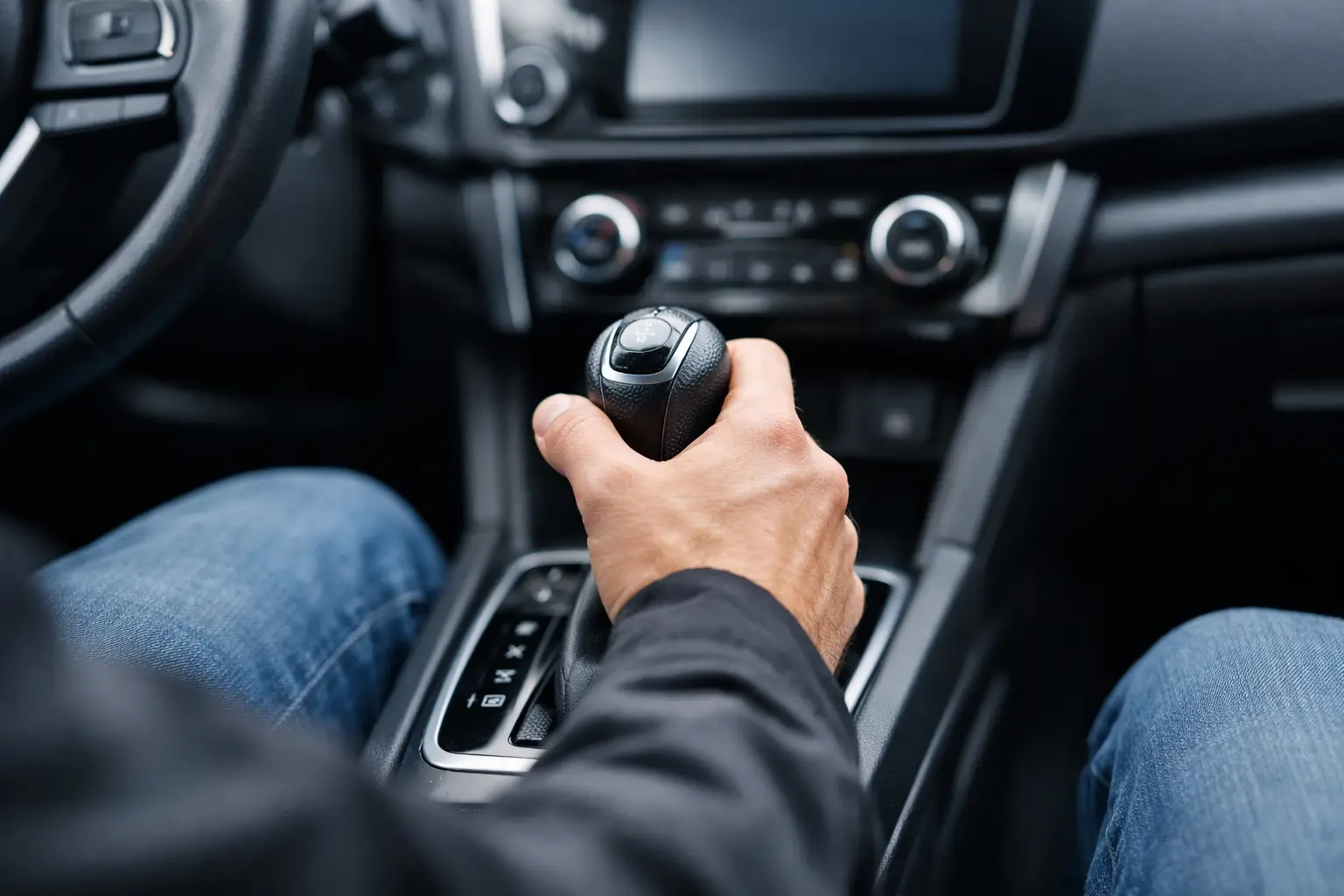
If you are sitting in a standard automatic, you drive it as an automatic. That means using the brake and accelerator, selecting the correct mode such as Park, Reverse, Neutral or Drive, and allowing the car to change gear for you. If your automatic has a manual or semi-automatic mode, you may be able to choose higher or lower gears yourself, often by moving the selector or using paddles near the steering wheel. Even then, it is still not the same as driving a fully manual car because the clutch operation is handled by the car.
The key difference between manual and automatic
A manual car asks more from the driver at low speeds and during gear changes. You control the clutch, choose the gear, manage the biting point, and coordinate your feet and hands together. That is why many new learners find manual lessons more demanding at first.
An automatic removes much of that workload. There are only two pedals, the car changes gear on its own, and moving off is generally simpler. For nervous beginners, this often creates more headspace to focus on steering, mirrors, road position and hazard awareness.
That does not mean one is always better. Manual can offer more direct control and may suit drivers who want a wider choice of cars. Automatic can reduce stress and help some learners progress faster. It really comes down to your confidence, your goals and how you feel behind the wheel.
How to use manual mode in an automatic
If your real question is how to drive manual in an automatic car with a manual mode, the process is fairly straightforward, but you still need to check the vehicle handbook and understand your specific car.
Find the manual setting
Some automatics have a gear selector marked with symbols such as D, S, M, + and -. Others use steering wheel paddles. In many cars, moving the selector across from Drive into a side gate lets you shift up or down manually. In others, sport mode and manual mode are separate settings.
Before using it on the road, get familiar with the layout while the car is stationary. You should never be glancing down for too long trying to work out which setting you have chosen.
Understand what the car still does for you
Even in manual mode, the car usually protects itself. It may refuse a gear that would over-rev the engine, or it may change down automatically as you slow. You are choosing gears within limits, not taking complete control in the same way you would in a manual car.
That is why manual mode can be helpful for understanding engine braking, hill descents or holding a lower gear when needed, but it is not a substitute for learning full manual clutch control.
Use it only when there is a clear reason
For everyday town driving, many drivers are better off leaving the car in Drive. Manual mode is more useful in specific situations, such as steep hills, certain overtaking situations where appropriate, or driving on roads where holding a gear helps the car respond more smoothly. Used without a good reason, it can simply add unnecessary workload.
Habits from manual driving that do not carry over
This is where many learners get caught out. If you have spent time in a manual, some instincts need to be switched off when you get into an automatic.
The biggest one is the left foot. In an automatic, your left foot should stay out of the way. Braking with the left foot by habit can lead to harsh stops because the pedal feel is different and your body is used to the clutch being pressed much more deeply.
You also do not need to search for the biting point or prepare for a stall in the same way. An automatic can still roll on hills depending on the model and road angle, so you must stay alert, but the moving-off routine is usually simpler.
Another change is gear selection at junctions and in queues. In a manual, you may be used to choosing first gear, then changing up quickly. In an automatic, the car does that work itself. Good observation and speed control become even more important than gear timing.
Can learning automatic help you drive manual later?
Yes, it can help with the road-driving side of things. Learners who start in an automatic often build confidence with junctions, roundabouts, lane discipline and traffic awareness sooner because they are not juggling clutch control at the same time. Those are valuable driving skills whichever type of car you use later.
What it does not do is teach you the mechanical coordination needed for a manual. If you move from automatic to manual, you will still need to learn clutch control, gear selection, smooth moving off, hill starts and how to avoid stalling. Some learners pick that up quickly once their road awareness is strong. Others need time, and that is completely normal.
For UK learners, the licence route matters too. If you pass your practical test in an automatic car, your licence only allows you to drive automatics. If you want to drive both manual and automatic cars, you need to pass your test in a manual.
How to practise safely in an automatic
If you are new to automatic driving, keep the process simple at first. Start somewhere quiet with an experienced supervising driver if you are practising privately and you are legally insured and licensed to do so. Get used to the feel of selecting Drive, moving off gently, controlling speed with the brake, and coming to a smooth stop.
Spend time on slow manoeuvres. Many learners are surprised that an automatic can creep forward when in Drive, so careful brake control matters. Parking, queueing in traffic and controlled turns are good places to build confidence.
Once that feels comfortable, move on to busier roads, larger roundabouts and hill work. The goal is not just to make the car move. It is to stay calm, read the road well and make steady decisions.
When professional lessons make the biggest difference
Online advice can clear up confusion, but it cannot replace proper tuition when you are trying to build safe habits. If you are unsure whether to learn in a manual or automatic, a qualified instructor can help you choose based on your confidence, experience and timescale.
This is especially useful for nervous beginners, learners who have stalled confidence after a break, and people returning to driving later in life. A patient instructor will not just show you the controls. They will help you understand why the car behaves the way it does and how to respond safely in real traffic.
At SE7EN Driving School, that often starts with reducing pressure. Once a learner feels settled, progress tends to come much more naturally.
So, how should you think about it?
If you are asking how to drive manual in an automatic, the simplest answer is that you do not drive it as a true manual. You drive the car according to its transmission, and if it offers a manual mode, you use that as an extra feature rather than a full replacement for manual driving.
For many learners, the better question is not whether an automatic can imitate a manual. It is which type of car will help you become a safer, more confident driver. That answer is different for everyone, and there is no shame in choosing the route that helps you learn well and stay calm on the road.
The best starting point is the one that lets you build confidence steadily, because confident drivers usually make better decisions than rushed ones.